Non Living Things in an Ecosystem Are Called
Abiotic factors Bextinct Cresources Dabiotic factors 2 See answers Advertisement Advertisement. The living part of an ecosystem includes plants and animals.

Pin By Niki Meadows On Science Living And Nonliving Learning Science Homeschool Science Experiments
Abiotic and biotic factors work together to create a unique ecosystem.

. Non-living things are inanimate objects or forces with the. Does a biome include non-living things. Nonliving things do not grow need food or reproduce.
Living things grow change produce waste reproduce and die. What is a nonliving thing in an ecosystem. Abiotic factors refer to non-living physical and chemical elements in the ecosystem.
All living things need non- living things to survive. Living things grow change produce waste reproduce and die. In a terrestrial ecosystem examples might include temperature light and water.
Some of these abiotic factors include water minerals sunlight air climate and soil. What is a non living ecosystem called. O rganisms interact with the living and nonliving things in their ecosystem to survive.
Living things need these nonliving things. Ecosystems include both living and nonliving things. All living things need non- living things to survive.
What is non-living things in an ecosystem. Chairs baseballs sofa cushions and sadly snowmen are all inanimate objects. These include parts of the ecosystem that are non-living but still affect it.
Some examples of important nonliving things in an ecosystem are sunlight water air wind and. Identify three nonliving parts of an ecosystem and explain the nonliving parts impact on the different kinds of organisms that live in the ecosystem and the population size of these organisms. The nonliving part of an ecosystem includes water rocks light air and soil.
How do living things and nonliving things interact in an ecosystem. A forest is a type of ecosystem. What are the non living things in an ecosystem.
All the living things or organisms and nonliving things that interact in a particular area make up an ecosystem. Subsequently question is what are living things meaning. The nonliving parts are abiotic factors.
In a terrestrial ecosystem examples might include temperature light and water. To live and grow plants and animals need. Examples include water soil air temperature and sunlight.
Soil is also a nonliving thing. In a marine ecosystem abiotic factors would include salinity and ocean currents. All living things need non- living things to survive.
What are the nonliving things in an ecosystem called. The nonliving things in an ecosystem are called abiotic factors. To live and grow plants and animals need nonliving things.
Nonliving parts of an ecosystem are called abiotic components or abiotic factors. What term refers to all non-living things. The nonliving parts of an ecosystem are called abiotic factors.
Nonliving things do not grow need food or reproduce. What are 5 nonliving things. These factors include the water rocks climate and other things.
Living things need these nonliving things. Abiotic factors is the correct answer because it is a non living organism in an ecosystem Advertisement Advertisement New questions in Biology. Some examples of living things are organisms such as plants animals fungi and bacteria.
Abiotic resources are usually obtained from the lithosphere atmosphere and hydrosphere. The non-living parts of the ecosystem are called abiotic factors. Nonliving things do not grow need food or reproduce.
What are non-living things give example. Some of these abiotic factors include water minerals sunlight air climate and soil. An abiotic factor is a non-living part of an ecosystem that shapes its environment.
Answer 1 of 3. Nonliving things do not grow need food or reproduce. The non-living parts of the ecosystem are called abiotic factors.
Up to 24 cash back The nonliving parts of an ecosystem include 1. They are just as important as the biotic factors. What are all the living and nonliving things in an area called.
Plants grow in soil. An ecosystem is a community of living organisms interacting with. Examples of abiotic factors are water air soil sunlight and minerals.
The living things in an ecosystem are interdependent. The term living thing refers to. What are the nonliving things in an ecosystem called.
Biotic factors are living or once-living organisms in the ecosystem. The non-living parts of the ecosystem are called abiotic factors. All living things need non- living things to survive.
Non-Living Things in Ecosystem. An abiotic factor is a non-living part of an ecosystem that shapes its environment. The living parts of an ecosystem are called biotic factors.
All the living things together in an ecosystem form a community. Cytology deals with the study of_____. Minerals Nonliving parts include condition such as temperature amount of rainfall amount of sunlight The nonliving parts are abiotic factors.
They are just as important as the biotic factors. What Are Nonliving Things In An Ecosystem. Some examples of important nonliving things in an ecosystem are sunlight water air wind and rocks.
How do the living and nonliving interact. The nonliving parts called abiotic factors are the nonliving things in the area. The study of how living and nonliving things interact is called ecology.
These living things interact with the nonliving things around them such as sunlight temperature water and soil. What is a nonliving thing in an ecosystem. Some of these abiotic factors include water minerals sunlight air climate and soil.
Inanimate describes a non-living thing. The non-living parts of the ecosystem are called abiotic factors. All non-living components of an ecosystem such as atmospheric conditions and water resources are called abiotic components.
All living things need non- living things to survive. Some of these abiotic factors include water minerals sunlight air climate and soil. Some examples of important nonliving things in an ecosystem are sunlight temperature water air wind rocks and soil.

Ecosystem Ecosystems Ecology Teaching Ecology

Food Chain And Food Web Definition Diagram Examples Videos Food Chain Food Web Life Science Classroom

Living Organism Videos Introduction Components Interaction Questions

Chapter 5 Lesson 1 Interactions In An Ecosystem Ecosystems Abiotic Desert Ecosystem

Abiotic Vs Biotic Factors Worksheet Answers Lovely Biotic Vs Abiotic Lessons Tes Science Worksheets Biology Worksheet 7th Grade Science

In This Activity The Children Will Classify Things That Are Living And Things That Are Not Li Living And Nonliving Science Lessons Preschool Science Activities

How Do Living And Nonliving Things Interact Ppt Video Online Download

Excel 10th Grade Science Worksheets 10th Grade Earth Science Science Worksheets Biology Worksheet 6th Grade Science

Presentation On Theme Ecosystem Presentation Transcript 1 Ecosystem 2 Concept Everything In The Natural World Ecosystems Ecological Systems Biodiversity

Ecology Ecology The Study Of How Organisms Interact With Each Other And With Their Physical Environmen Animal Adaptations Physical Environment Running In Snow
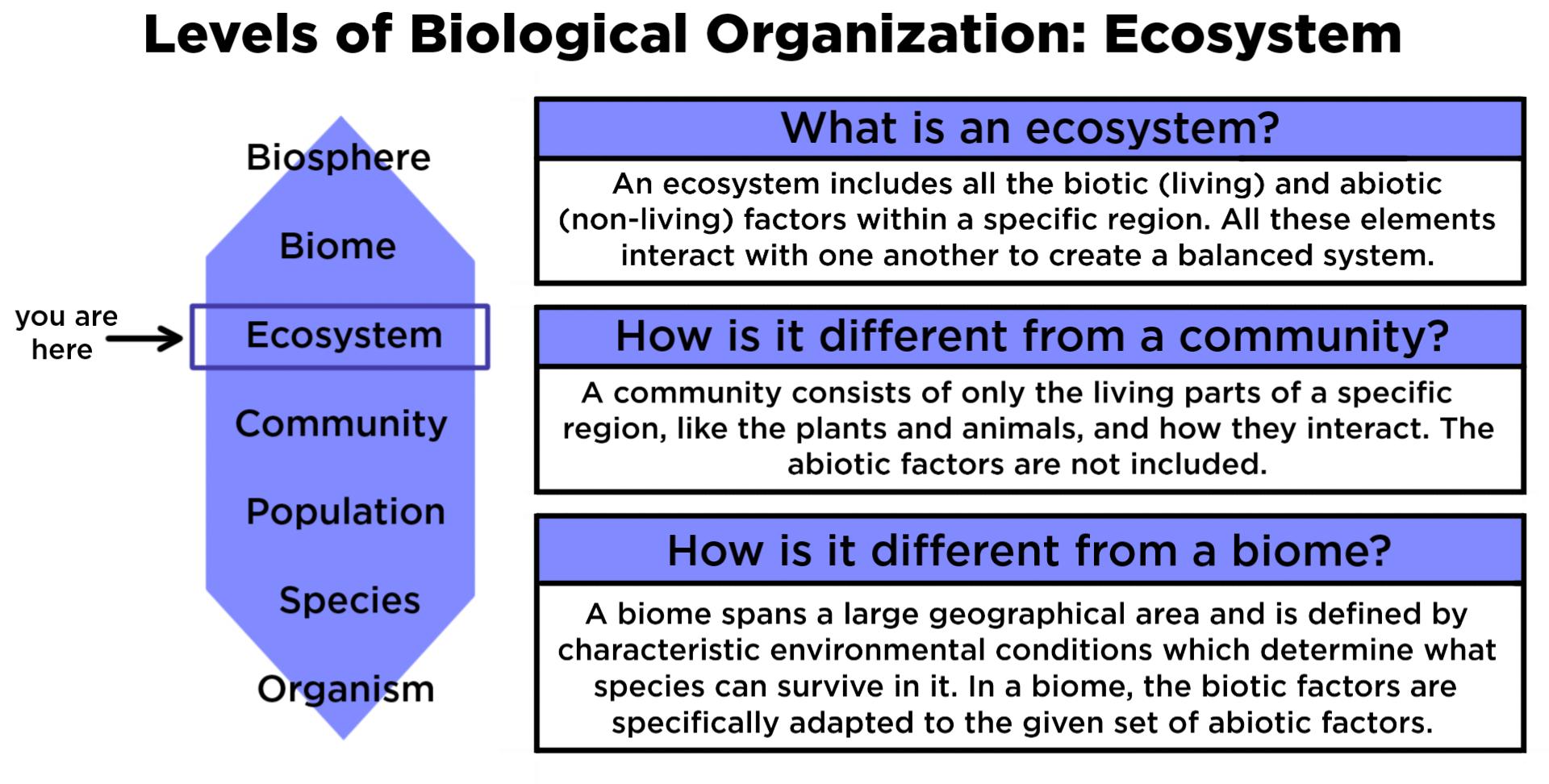
Ecosystem Ecology Definition Examples Expii

Infographic Ecology The Study Of The Place We Live Teaching Ecology Environmental Science Ecology
What Is An Ecosystem Ecosystems Abiotic Aquatic Ecosystem
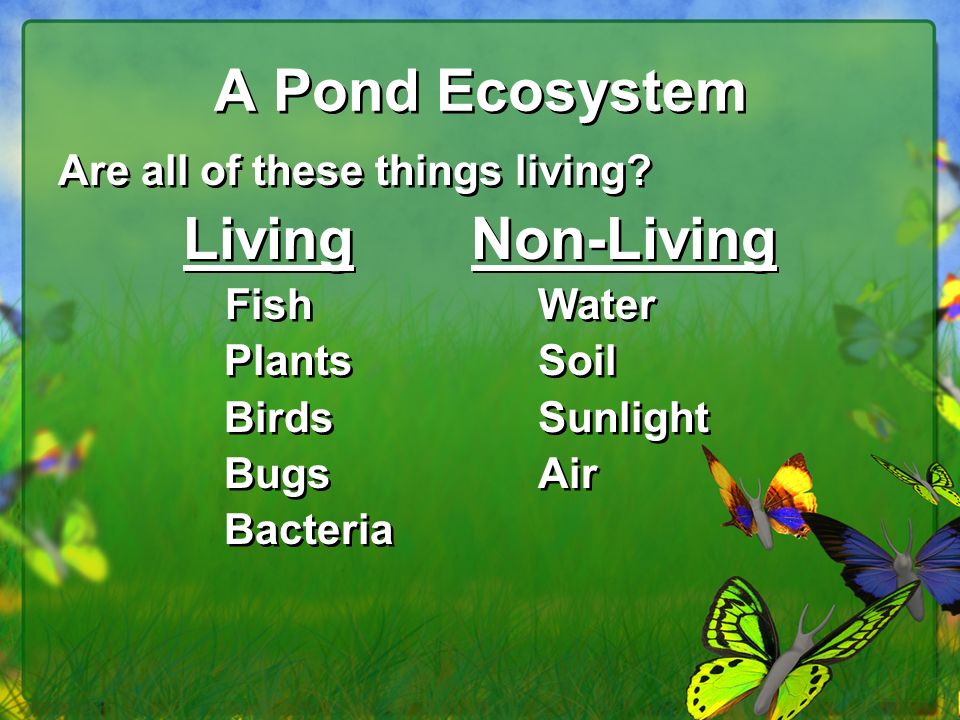
Biotic And Abiotic Factors Ppt Video Online Download
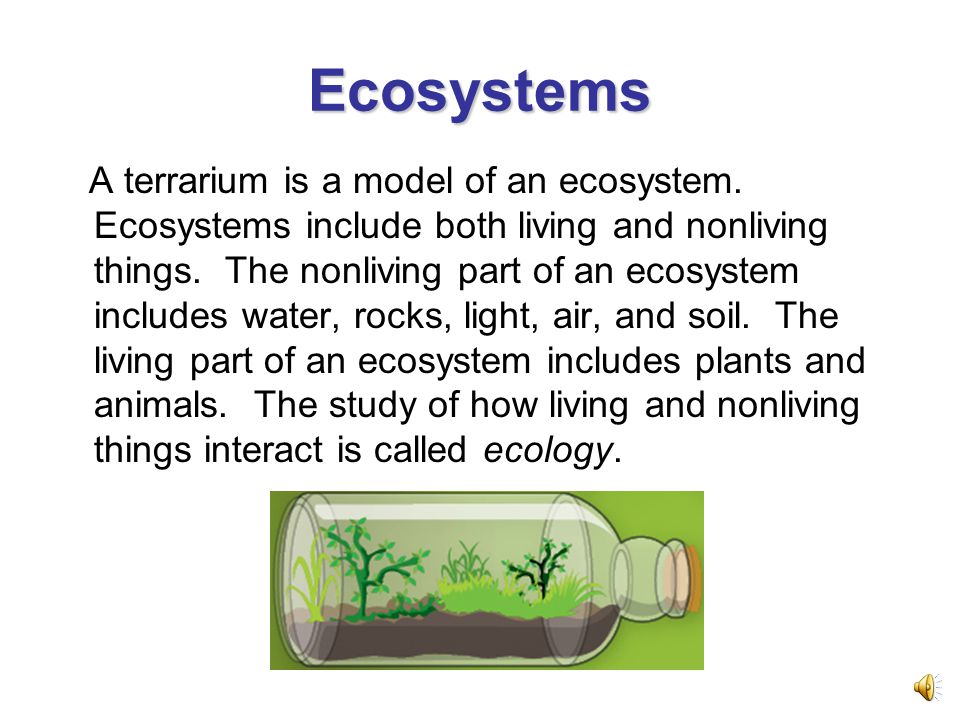
How Do Living And Nonliving Things Interact Ppt Video Online Download

Abiotic Components Of Ecosystems Definition Examples Expii

Warm Up Activity Match The Pictures To The Correct Terms That Describe Them Ecosystem Biome Biosphere Ecosystems Biomes Teaching Science

Source Socratic Org Fig Ecological Factors Biotic Abiotic Nonliving

Ecosystems 1 3 Learn Biology Passage Writing Study Biology


Comments
Post a Comment